Your history. Your inbox.
7 uniquely curated newsletters to choose from.


In March 1855, Joseph Howe revelled among his acquaintances in the elite of New York City, attending theatre performances, dinner parties and private meetings with high society. As a journalist, Reformer and parliamentarian in his hometown of Halifax, he was one of the pre-eminent citizens of Britain’s North American colonies and was received accordingly. This was no holiday, though. Howe was a man on a mission.
The British Empire had been at war with Russia for about a year and a half, with vicious battles and rampant disease causing major losses to their army on the Black Sea shores of the Crimean peninsula. Dubbed the Crimean War, and lasting from 1853 to 1856, this conflict saw a western European coalition — made up of France, Britain and a pre-Italian-unification Sardinia — ally with the Ottoman Empire to check Russian expansion southward.
Officially, the war was triggered by arguments over political protection of Jerusalem’s Christian community, with Russia’s Orthodox Church and France clashing as the champion of Roman Catholicism. Neither issue is at all immediately relevant to Canadian historical development, save for the fact that they embroiled the British Empire in an unexpectedly difficult and drawn-out war.

With 7 uniquely curated newsletters to choose from, we have something for everyone.
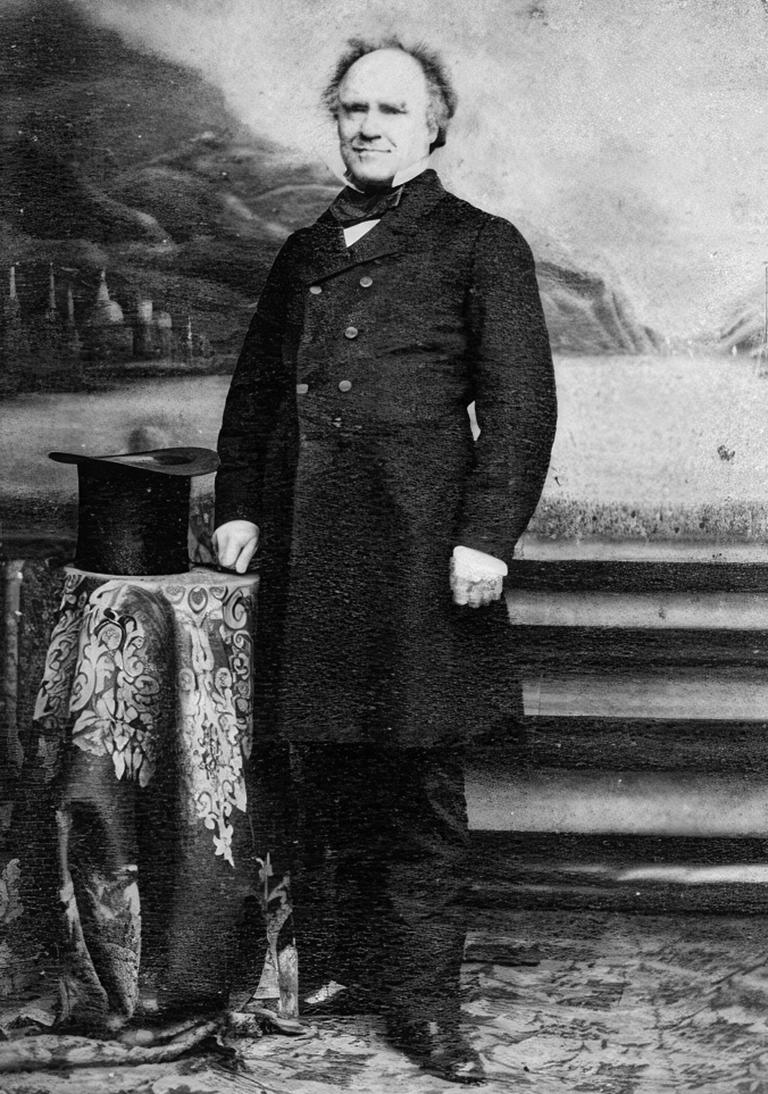
Desperate for recruits, the British government explored the possibility of rallying sympathetic Americans to enlist. Complicating this plan was the fact that the United States government had made it illegal for American citizens to serve in foreign militaries. It would take a particularly adept intermediary to manage such a recruitment drive. Enter Joseph Howe.
Howe had enthusiastically volunteered for the task of finding a loophole to enlist Americans into the suffering British expeditionary force. He had recently had success in London negotiating funds for a Nova Scotian railway. In the power centres of America, however, Howe’s diplomatic efforts fell flat. He attempted to skirt around the American prohibition on foreign recruitment by issuing ambiguous cards marked “N.S.R.” (an acronym that could either stand for “Nova Scotia Regiment” or “Nova Scotia Railway” in case of inspection) that could be presented for payment on arrival to Halifax. All the while, he sent off a flurry of audacious reports detailing his efforts directly to the British cabinet.
This prodigious attempt to serve his government abroad ultimately proved to be an embarrassing failure. At the same time as Howe was wining and dining in New York City, American authorities were arresting his recruiting agents in such cities as Philadelphia and Chicago. The American government would later force the recall of the British ambassador over the issue. It was also a professional failure for Howe. Having lost his seat in an election due to his absence, Howe hoped to leverage his American adventure into a patronage position in the imperial civil service. The London authorities rebuffed the pretensions of the enterprising colonial, showcasing the characteristic transatlantic class divide of the era.
Despite Howe’s lack of success, his actions in response to the Crimean War represented the emergence of a unique diplomatic role for the British North American colonies. In many ways, this would pre-empt the sort of place that Canada would hold as an intermediary middle power. Before Canada was even created, the Crimean War provided figures like Joseph Howe — who would go on to be his home province’s premier, a federal cabinet minister and Nova Scotia’s third lieutenant-governor — with the opportunity to forge an independent diplomatic role as transatlantic intermediaries in response to international crisis. The war would also advance other changes to British America, shaping Canada’s political, military and economic landscape in the decade before Confederation in a world filled with conflict and competition.
With the re-emergence of great power politics and imperial ambitions on the world stage, learning how Canada has been influenced by world events in the past can help Canadians prepare for an uncertain future.
In the early 1850s, Vancouver Island was an isolated outpost of the British Empire. Its capital, Victoria, was a lethargic colonial centre made up of a small population still dominated by fur traders and administrators working for the Hudson’s Bay Company (HBC). Only recently had the Pacific border between Britain and the United States been set at the 49th parallel on the mainland, forcing the HBC government northward from its headquarters on the Columbia River at Fort Vancouver. In the years preceding the 1858 Fraser Canyon gold rush that would see the population of the region explode, and the establishment of the mainland colony of British Columbia, the Crimean War would firmly establish the area’s uncompromisable value to the Royal Navy.
In the Pax Britannica era of the 19th century, the Royal Navy’s supremacy was virtually unassailable. However, halfway through that century, the north Pacific remained a weak point. HBC, governing the new Crown colony of Vancouver Island under Royal Charter, still patrolled the coast with the SS Beaver (the first steamship on the north Pacific) and the SS Otter, with both acting more as floating trading posts than naval protection.
Advertisement
Royal Navy ships served as a symbol of British power as thousands of American miners flooded into HBC territory looking for gold
James Douglas, HBC chief factor and governor of Vancouver Island, saw his colony, in military terms at least, as “a liability to Britain.” War between Russia and Britain didn’t bring immediate fears of conflict in America, even though both empires’ Pacific American colonies bordered each other. The regional governments of HBC and the Russian-American Company were mutually dependent, serving as each other’s largest trading partner. Britain’s assurances that territorial expansion wasn’t a war aim resulted in an effective ceasefire in the eastern Pacific. Douglas’s assessment stemmed more from a fear that Russia might form a strategic alliance with the United States. The 1850s saw the Americans engaged in a rapid military expansion into its new Pacific territories as it waged war on the Indigenous Peoples of modern-day Washington state.
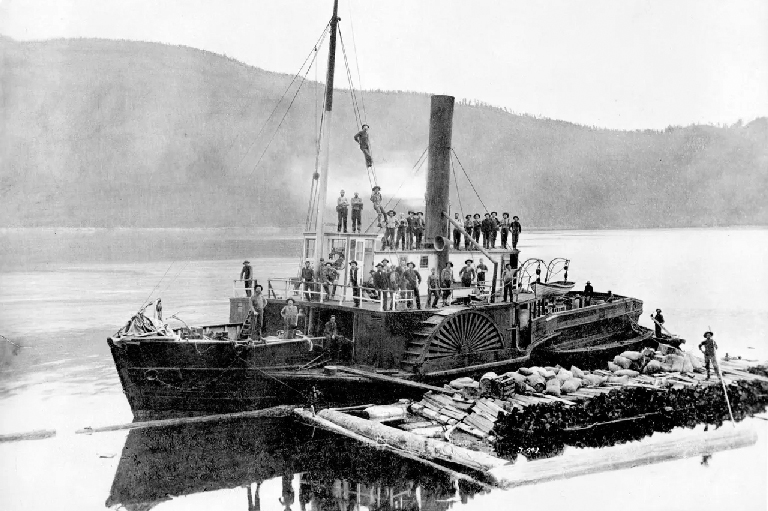
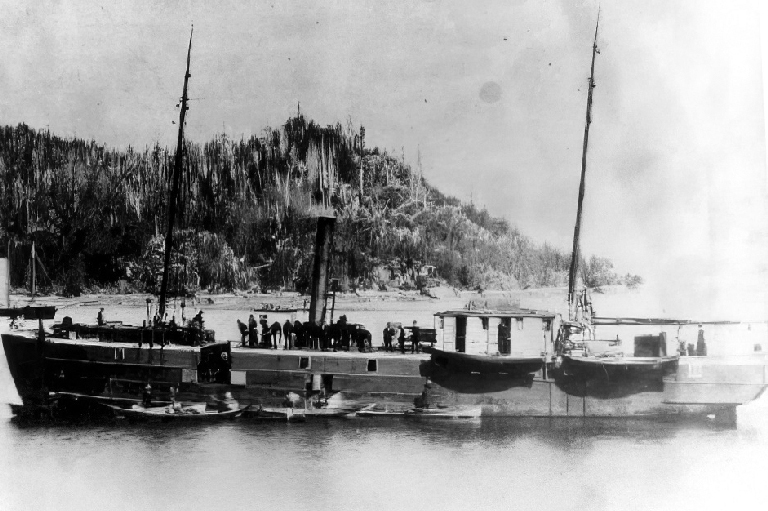
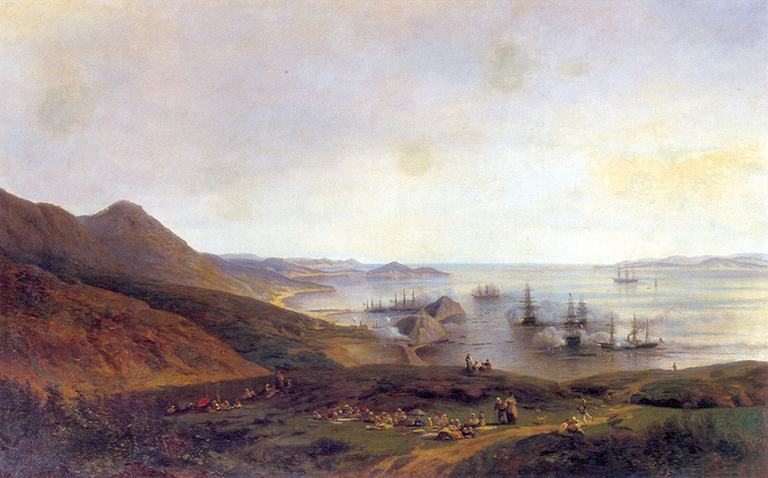
The Crimean War only saw one real battle in its Pacific theatre, but it starkly revealed the Royal Navy’s vulnerability in the region. The 1854 Siege of Petropavlovsk on the Kamchatka Peninsula was a defeat for the combined Anglo-French naval force, which suffered more than 200 casualties, including the suicide of the British commanding officer, Rear Admiral David Price. With no forward operating bases, the allied squadron was forced to retreat across the Pacific, with the British regrouping at Victoria and the French at San Francisco. The humiliation of defeat was emphasized by the lack of facilities available for recuperation.
Price’s replacement as commander of the Royal Navy in the north Pacific was Rear Admiral Henry Bruce, who soon requested the construction of a naval hospital in preparation for a followup attack the next year. The construction of three wooden hospital huts on almost three hectares at Duntze Head by Esquimalt Harbour, just west of Victoria, was the result. The 1855 operation on Petropavlovsk was an overwhelming success, in part due to the preparation and foresight of Bruce, and in part due to Russia’s pre-emptive abandonment of the fort. The naval hospital, though unused, had still proved financially burdensome on the young colony. After Douglas pleaded with them to help pay the cost of construction, the Royal Navy took control of the buildings. Ten years after its construction, Esquimalt replaced Valparaiso, Chile, as the Pacific headquarters of the Royal Navy; 1910 saw it transferred to the new Royal Canadian Navy.
The Royal Navy would play a major role both in the colonization of Canada’s West Coast and the retention of sovereignty from American encroachment. While British officers patrolled, policed and repressed First Nations activity up and down the shore, Royal Navy ships served as a symbol of British power as thousands of American miners flooded into HBC territory looking for gold in 1858. British reluctance to take Russian America, fearing American outcries, led the way to the United States’ purchase of the Alaskan territory a decade later. However, British presence in Esquimalt did help ward off the manifest destiny creeping up from the U.S. toward B.C.
Free trade has truly always been a source of controversy in Canada. After 1846, when Britain reformed into a doctrinally free-trade country with the repeal of the protectionist Corn Laws, its colonies couldn’t rely on a preferential trade relationship within the Empire. For the colonies of British North America, whose small populations had been utterly dependent on exporting their resources to the United Kingdom, this reform caused significant discomfort. British merchants started gravitating to closer — and, suddenly, cheaper — timber and wheat sources in the Baltic, rather than the St. Lawrence. The Crimean War rapidly changed the evolving economic dynamic in North America, as war with Russia saw the Baltic quickly cut off from British trade. Suddenly given a renewed importance as a source of raw materials, the future provinces of Canada were significantly strengthened in the ensuing discussions over continental trade. Independence, not annexation, would be the result.
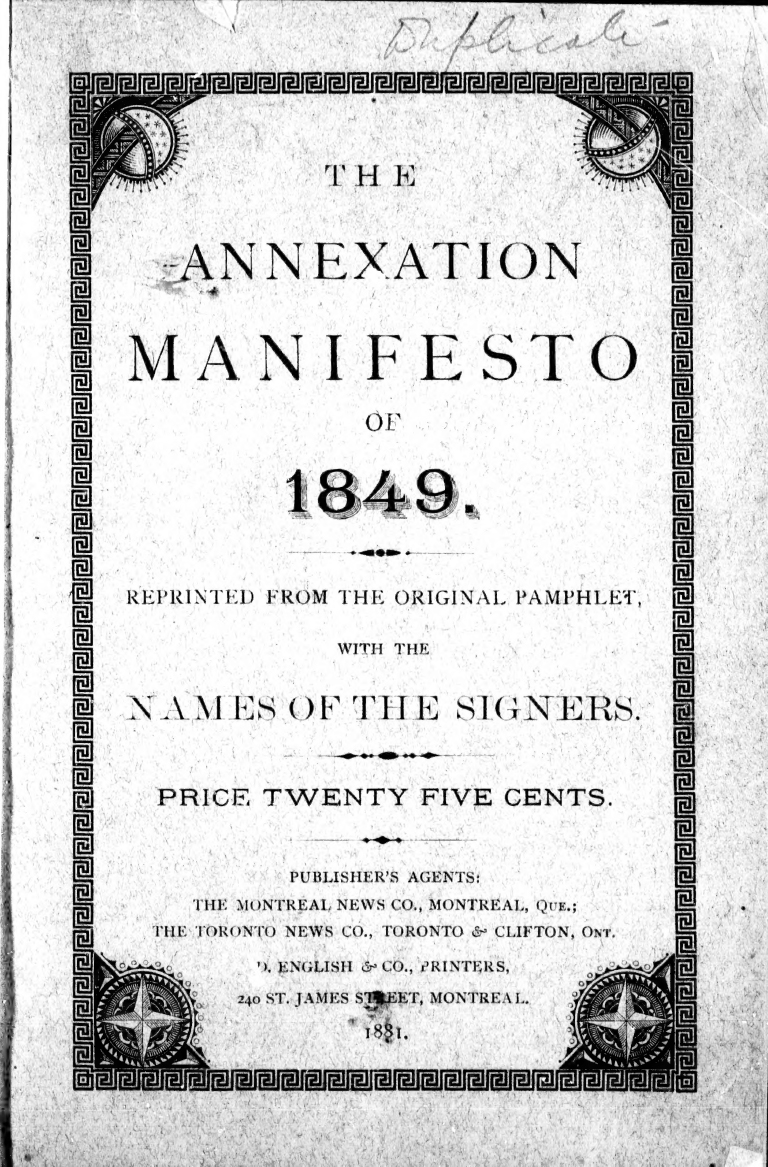
Desperate to find new markets, the future provinces of Canada had turned toward the United States as their primary economic partner. In 1849, reciprocity acts passed in Canada, Prince Edward Island and Nova Scotia, with the hope that the Americans would pass similar legislation in a move toward continental free trade. But there was also fear that free trade with the United States would make annexation inevitable. This was heightened by the 1849 Annexation Manifesto, published by a powerful group of Montreal business leaders (which included Louis-Joseph Papineau, leader of the 1837 Lower Canada Rebellion, and future prime minister John Abbott). Feeling abandoned by the British reversal of preferential colonial trade, those at the economic centre of British North America were attracted to the hungry allure of the growing republic to the south.
The price of wheat, which had already been rising due to poor harvests in the year before the outbreak of war with Russia, rose even higher. Spring 1855 saw the 19th century’s peak wheat pricing at $2.25 per bushel. While this period saw poor yields in the eastern parts of the Province of Canada, crops prospered in the West. This encouraged more investment in the agricultural development of less populated parts of the province. The bubble later deflated, but it came at a crucial time for the economic development of the British colonies and in asserting their relevance against annexationist political impulses.
While Canadian lumber exports grew to feed the web of railways connecting the industrial centres of the United States, the British need for timber, exaggerated by the war effort, helped encourage development in the province’s hinterlands. This coincided with the construction and expansion of projects like the Grand Trunk Railway, funded by British capital and connecting the united provinces of Canada West and Canada East (now Ontario and Quebec), with major export hubs in the United States.
When the British government negotiated a reciprocity agreement with the United States in 1854, it wasn’t as a concession to the doctrine of manifest destiny. In the economic environment that the Crimean War helped create, the future provinces of Canada weren’t flotsam sent out untethered into a sea of free trade, drifting toward the nearest life raft. Rather, they were critical and reliable lifelines during Britain’s global struggles for geopolitical pre-eminence. The Reciprocity Treaty only lasted a little more than a decade, being cancelled soon after the end of the U.S. Civil War, not to be fully reinstated until the signing of the Canada-U.S. Free Trade Agreement in 1989.
An important aspect of that short lifespan was the fact that American populists couldn’t justify the agreement as a tool of expansion.
Advertisement
The Reciprocity Treaty negotiated by the British — which lasted a little more than a decade — wasn’t signed as a concession to the doctrine of manifest destiny
Canadian militias before 1855 were mostly ad hoc forces raised from the colonial population in response to specific crises. Canadian militiamen fought alongside British regular soldiers in defending against the American invasions of Canada in 1775 and 1812 and the 1837-38 rebellions of Upper and Lower Canada. These often-irregular militia forces were effective in supplementing the well-trained and amply supplied British troops, but things changed drastically with the onset of the Crimean War.
Land war with Russia exposed how, though the world’s most industrialized country with untouchable naval supremacy, Britain’s army faced major challenges. In some ways outperformed by their more numerous French allies, widespread disease and poor organization became hallmarks of the British war effort. To fulfil that demand, Britain pulled most of its soldiers, more than 4,000 men, from their garrisons throughout British North America.
The lighter military presence was far from indicative of a reduced threat level. Besides the persistent annexationist rumblings, and memories of the rebellions that had broken out less than two decades earlier, the tensions that would lead to the U.S. Civil War were already metastasizing. The 1855 Militia Act sought to fulfil the United Province of Canada’s defence requirements through the creation of an active militia of 5,000 men. This force was broken up into 18 military districts throughout the province and included seven batteries of field artillery and five batteries of foot artillery.
The 1855 act built on its predecessor, the 1846 Militia Act, and maintained the principle of universal compulsory service in the Sedentary Militia, which only nominally existed apart from the one day a year that every able-bodied man of military age (usually between 16 and 60) would be required for drilling. However, the 1855 act included the significant innovation of practically instituting a permanent voluntary force. This taxpayer-funded force was so instantly popular with volunteers, in part inspired by the fascination surrounding the ongoing Crimean War, that it quickly became clear that the old order of citizen conscripts would be unnecessary for immediate defence.
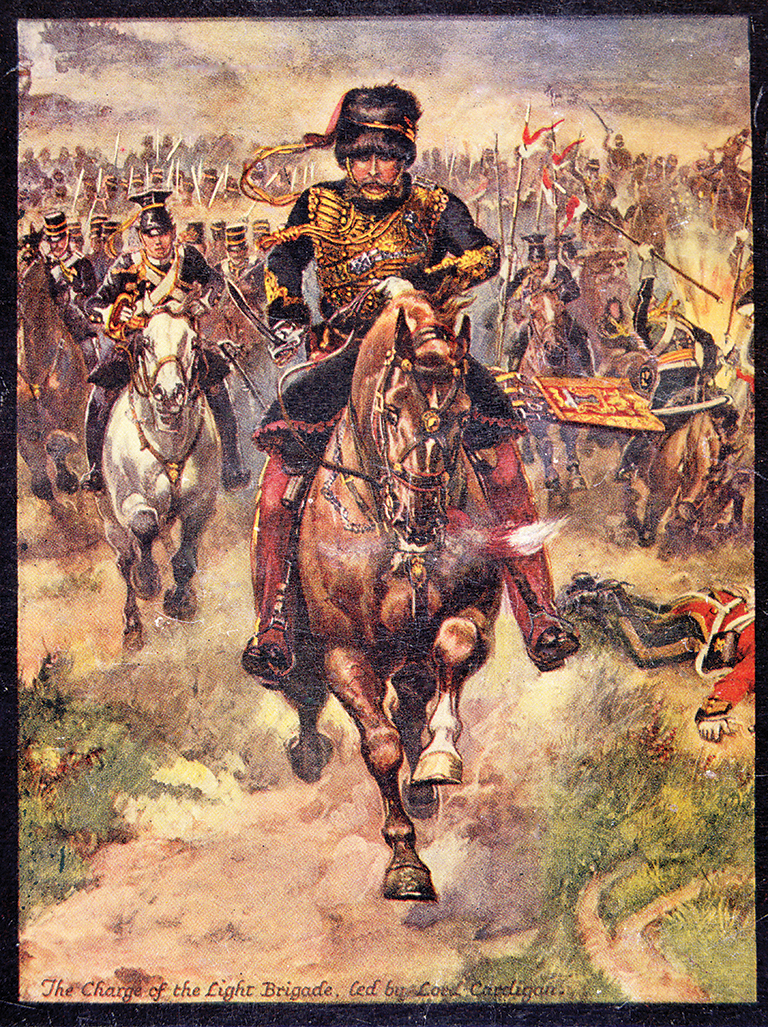
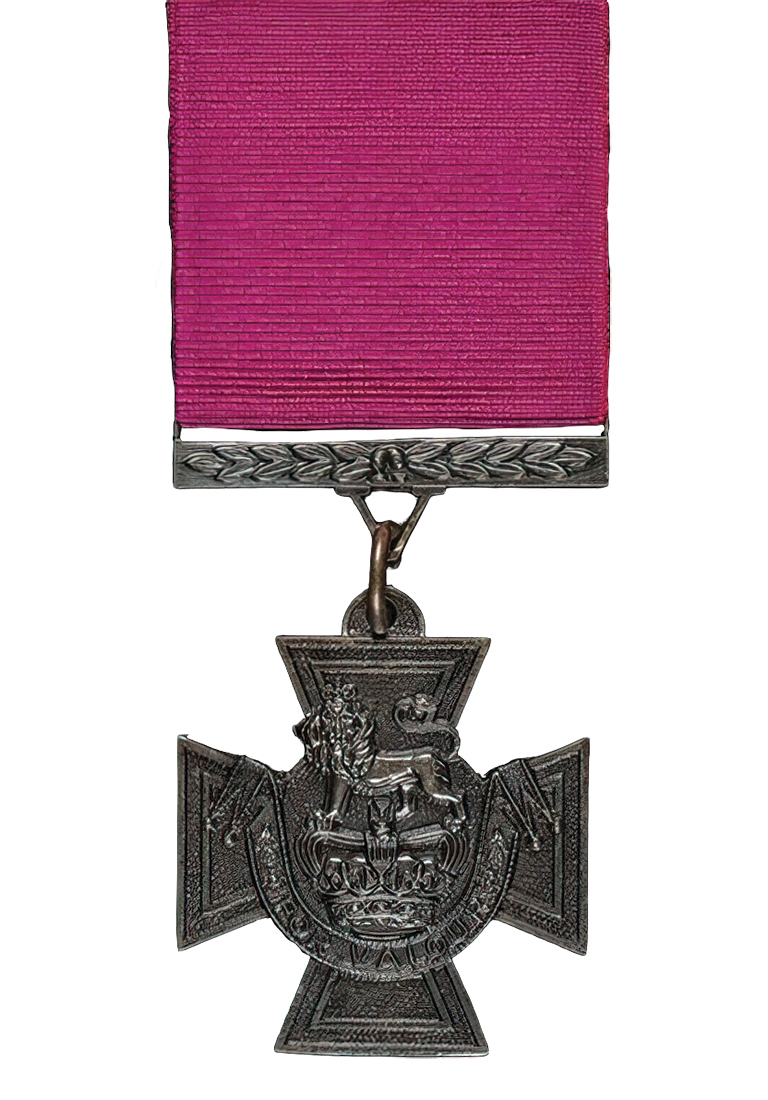
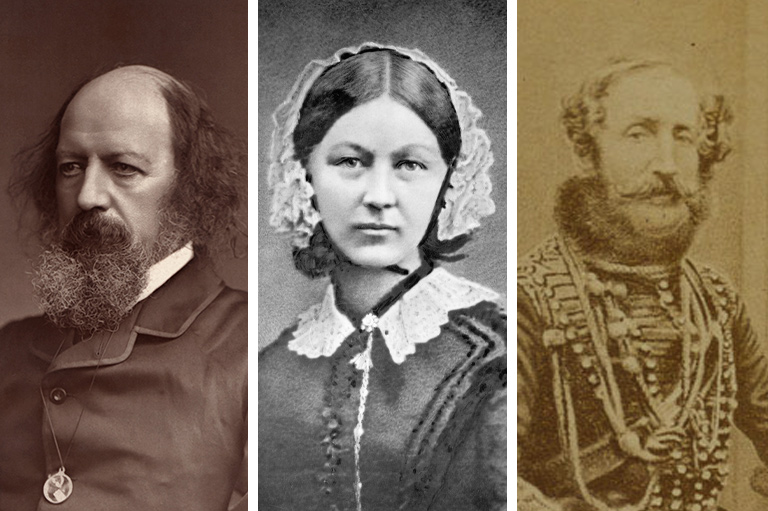
At the same time that the Canadian Army found its practical beginnings, the Crimean War also played a foundational role in its highest military honours. The Victoria Cross was created in 1856, in the wake of the bloody debacle of the Battle of Balaclava, an allied attempt to storm the Crimean port of Sevastopol in October 1854. The most infamous scene of that battle was the Charge of the Light Brigade, led by Lord Cardigan and immortalized by Alfred, Lord Tennyson, Britain’s Poet Laureate. That charge, which saw 670 cavalrymen storm a well-fortified artillery position, was a disaster, with 110 dead and 160 wounded. It came to symbolize both the stoic ability of the British soldier to follow orders to the death and the tragic ineptitude of aristocratic military command. The creation of the Victoria Cross helped emphasize the heroism of the common soldier over the mistake of his commander. Canadian Alexander Dunn played a part in the heroism captured in Tennyson’s poem.
It became clear that the old order of citizen conscripts would be unnecessary for immediate defence
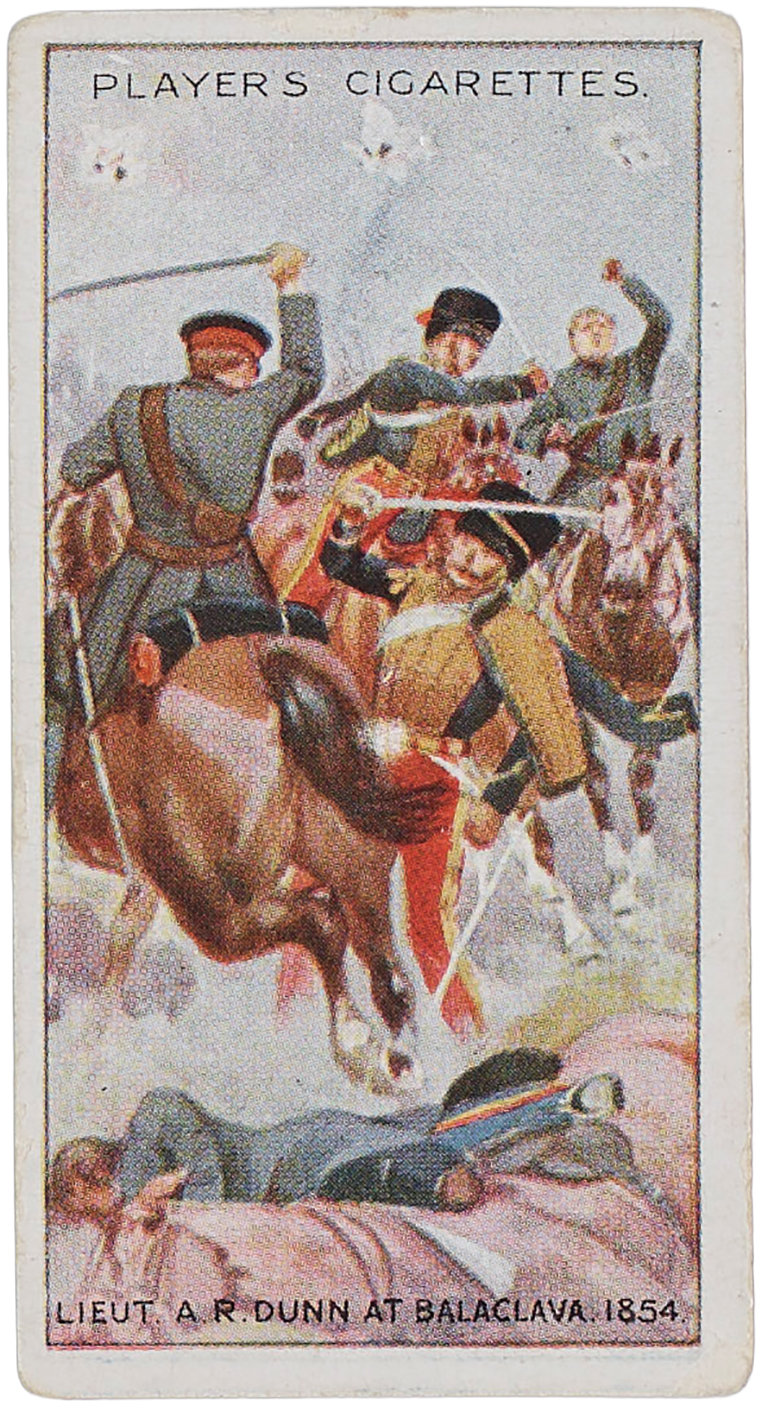
Dunn, born in York, Upper Canada (now Toronto), and educated at Harrow School in England, is in many ways the poster child of the 19th-century colonial soldier. He was only 19 when he was commissioned into the 11th Hussars — one of the most prestigious units in the British army — and his personal heroism in saving the lives of two of his comrades during the Charge of the Light Brigade (just 25 of the 110 members of his unit returned from action) was recognized with the 17th Victoria Cross ever awarded, the first Canadian to receive this. The honour was personally bestowed by Queen Victoria in front of the hundreds of thousands of people who had crowded into England’s Hyde Park for the investiture. Returning from Crimea, Dunn settled briefly in Toronto before the 1857 Indian Rebellion saw him raise a regiment of Canadians for overseas service. Dunn was later the youngest colonel in the British army, and the first Canadian to command a British regiment (the 33rd Regiment of Foot), before he died in a hunting accident during the 1868 British intervention in Abyssinia (modern Ethiopia).
And now, 170 years after the Crimean War ended, as war continues to rage in Ukraine and the Black Sea remains a combat zone, there are many parallels that shape Canada’s place in both eras. Protectionism and annexationism are once again governing U.S.-Canada relations. Defence threats are fuelling a push to build new bases and infrastructure in strategically vulnerable locations (now in the Arctic rather than Vancouver Island). Canadians continue to volunteer to fight, with thousands today following Alexander Dunn’s lead and joining military operations in Ukraine. How Canada will charge forward remains unknown, but clues can be found in the 19th-century version of these events.
We hope you’ll help us continue to share fascinating stories about Canada’s past by making a donation to Canada’s History Society today.
We highlight our nation’s diverse past by telling stories that illuminate the people, places, and events that unite us as Canadians, and by making those stories accessible to everyone through our free online content.
We are a registered charity that depends on contributions from readers like you to share inspiring and informative stories with students and citizens of all ages — award-winning stories written by Canada’s top historians, authors, journalists, and history enthusiasts.
Any amount helps, or better yet, start a monthly donation today. Your support makes all the difference. Thank you!
Advertisement