Our vision is a country where people are connected through history, in all its complexity and diversity. We offer ways to build those connections. Help us continue this much-needed work by donating today.
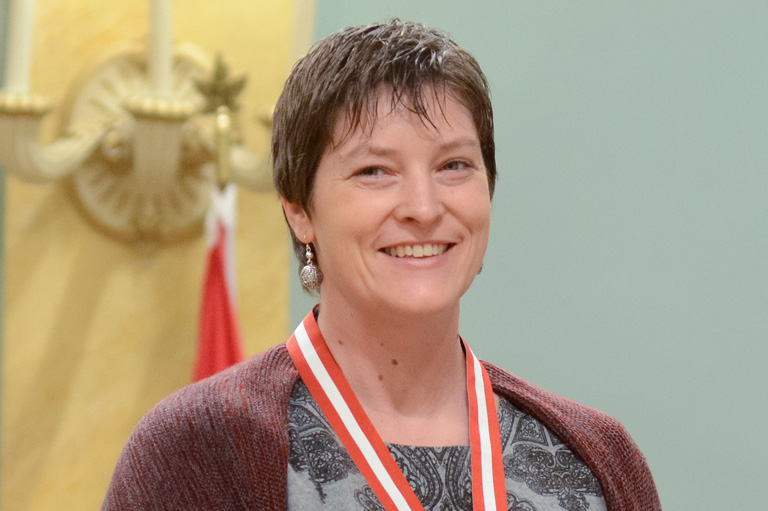
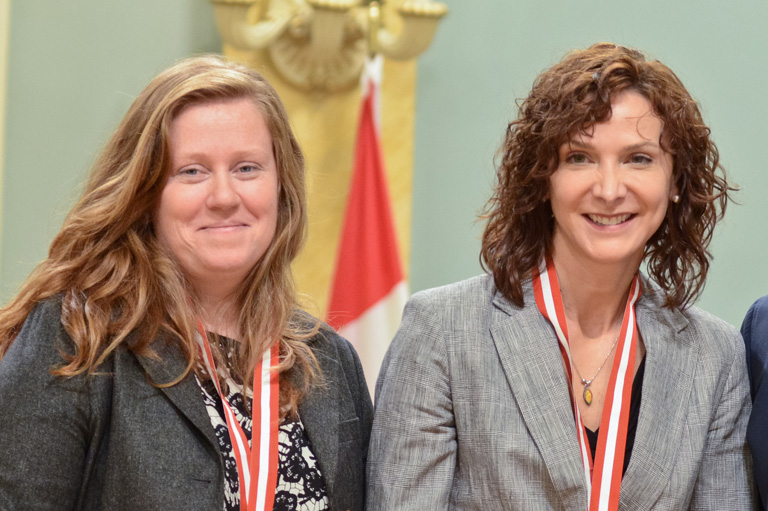
Rachel's project is a complete integration of historical thinking into the Grade 10 Canadian History course, grounded by three anchor projects/units: the course overview unit, the Glebe World War II soldier memorial and the final summative interview in lieu of a written exam.
Romy and Graeme have revitalized the Heritage Fair at their school by designing it with a critical thinking question as the focus and teaching it as a history study rather than a social studies project, embedding historical thinking concepts into each step.
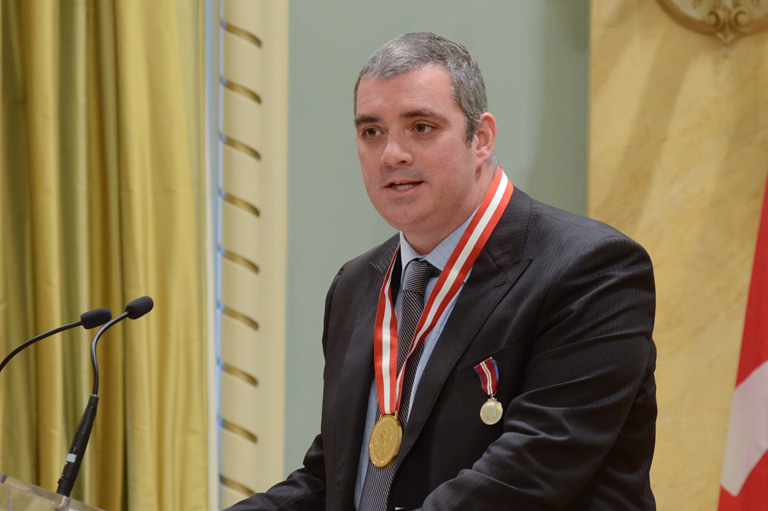
William C. Wicken, York University, received the 2013 award for his book The Colonization of Mi’kmaw Memory and History, 1794-1928: The King v. Gabriel Sylliboy.
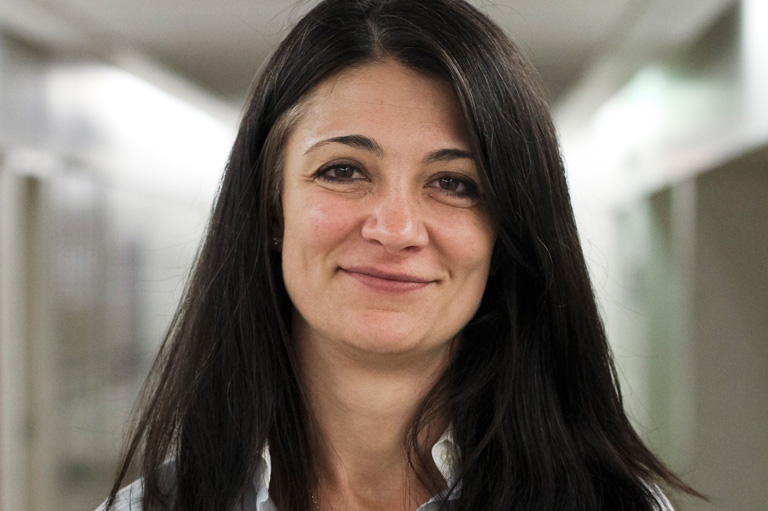
Milena Ivkovic believes her students should be given opportunities to make real meaning out of history, not just learn about it. By analyzing primary source documents from multiple perspectives, she encourages students to grapple with history, to dig deeper into it, and to develop a greater understanding of what these sources tell us about our history and ourselves.
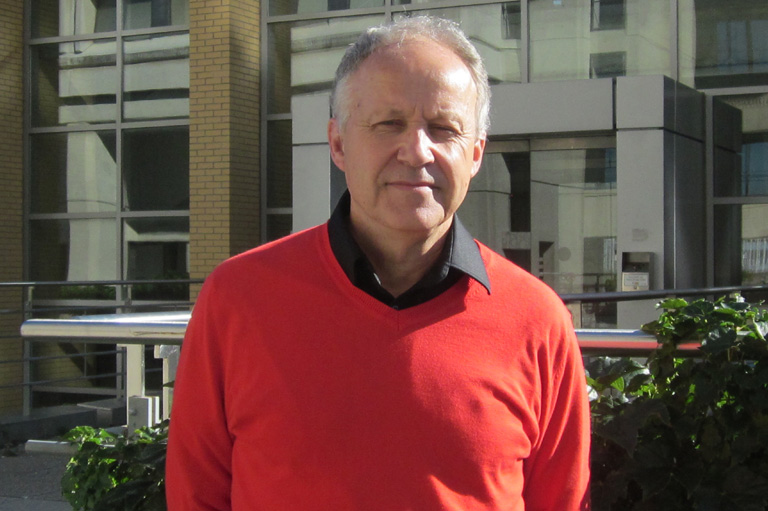
Brian Jaffray has taught in the Northwest Territories for more than twenty-nine years. During that time he has tried to provide his students with tools to encourage first-person research projects about Canadian history. But in the North, this can be challenging. Dene culture has traditionally been transmitted orally, in the Slavey language.
Effectively teaching her young students about the unique historical relationship between indigenous and non-native people of Canada was the motivation for Elizabeth Phipps when she started her Saskatchewan landscape project. Together her students created and developed a living landscape of Saskatchewan that focused on the history of First Nations, the Métis and European settlers.
Early in his teaching career Scott Masters noticed that his students often had few opportunities to connect with past generations. He made it his mission to bridge that gap. Starting with inviting individual speakers into his classroom, his project slowly grew into the Crestwood Oral History Project.
For Janet Thompson, the best way to engage students is to give them opportunities to be actively involved in their learning by thinking like historians. It’s this passion for teaching historical thinking that drives her in the classroom.
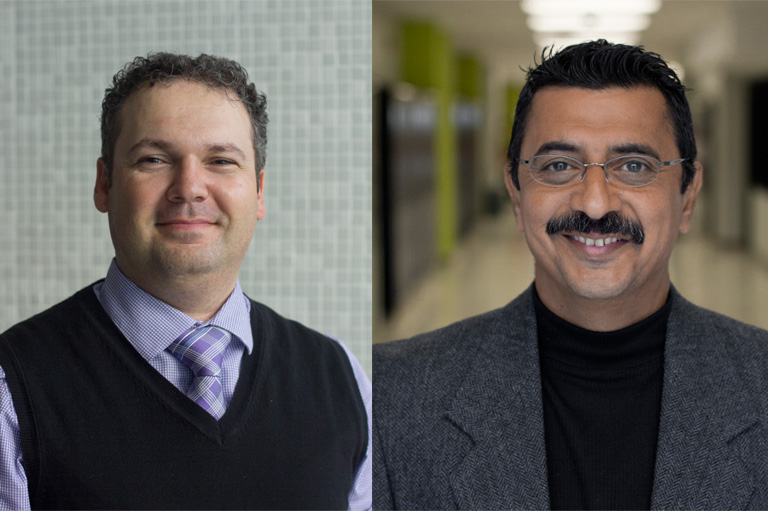
The idea for the project “My Place in Canadian History: Digital Storytelling with Historical Thinking Concepts” came from a simple question that was extremely relevant to both Stefano Fornazzari San Martín and Daraius M. Bharucha, given their own journeys to Canada.