
Chloe V.
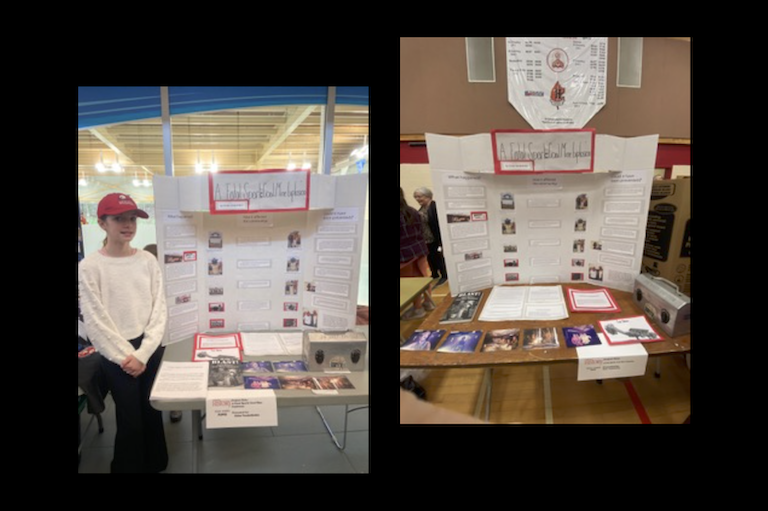
A Fatal Spark: Coal Mine Explosion
Chloe V.
South Shore Regional Fair
Bridgewater, NS
On February 24, 1979, in Glace Bay Nova Scotia, a massive explosion took place in Colliery 26 coal mine. A large digging machine called a “coal shearer” is used to graze coal from a coal seam however occasionally it hits stone. A shearer striking stone causes sparks to fly, and on this day those sparks ignited a pocket of methane that had gathered in the ceiling. The methane exploded and then lit the coal dust in the air on fire which also exploded and rushed throughout the Number 12 South Wall of the mine. The blast killed 12 miners, 10 who perished immediately and 2 more who died later in the Victoria General Hospital in Halifax Nova Scotia. All of the miners who died were married, and almost all had children too. Although not everybody in the surrounding community were directly related to the miners involved, everybody had a connection and were forever affected by what happened that day.
What sources and evidence did you consult for your project? What different perspectives did they provide on your topic?
Information came from multiple sources: BLAST! Cape Breton Coal Mine Disasters by Rennie MacKenzie, original newspaper clippings from The Cape Breton Post, miners, a tour guide from the Miners Museum, the Cape Breton Miners Museum, the No. 26 Colliery site (what remains), relatives of surviving and deceased miners and lots of websites.
The miners gave first hand information about the event as it happened. The relatives of the miners (wives, sisters, daughters, and friends of miners) showed how the family reacted to the news, as it took place, and some of the long term trauma. This was very sad.
The Miners Museum gave a real life representation of what mining looks, sounds and feels like, by showing us through a decommissioned mine, a mining simulator and a tour guide with mining experience including having worked at Colliery 26 mine during 1979, the year the explosion took place. The newspaper gave information, including interviews from the injured miners at the time this event took place, what they remember, how they felt, and details of their recovery from their injuries.
The Colliery 26 site shows what little remains of the mine, and how nature is reclaiming the land. The websites give ideas as to why this may have happened, and helped fill in the gaps left behind by an explosion that happened almost 50 years ago.
What is the historical significance of your topic?
The historical significance of my topic: One of the short-term affects of my project was that 12 men died. They died at work in the #12 south section of the Colliery 26 in Glace Bay. One of the long-term effects is the feeling people get when they think about it, especially on the anniversary of the explosion. Their last memory with that person would have been just before they left for work the night before. The most affected were 100% the relatives of the perished miners. It’s heartbreaking to lose someone you love. Now, the mines are more strict with the rules and regulations.
Why did you choose this topic?
I chose this topic because of my family connection with it: All four of my great- grandfathers worked in coal mines. Both of my grandfathers did, too. So did three of my uncles, and several of my cousins. My grand-uncle died in this explosion, and my grandfather helped carry out multiple casualties. My great-grandfather was even in the mine when the explosion took his sons’ life.